
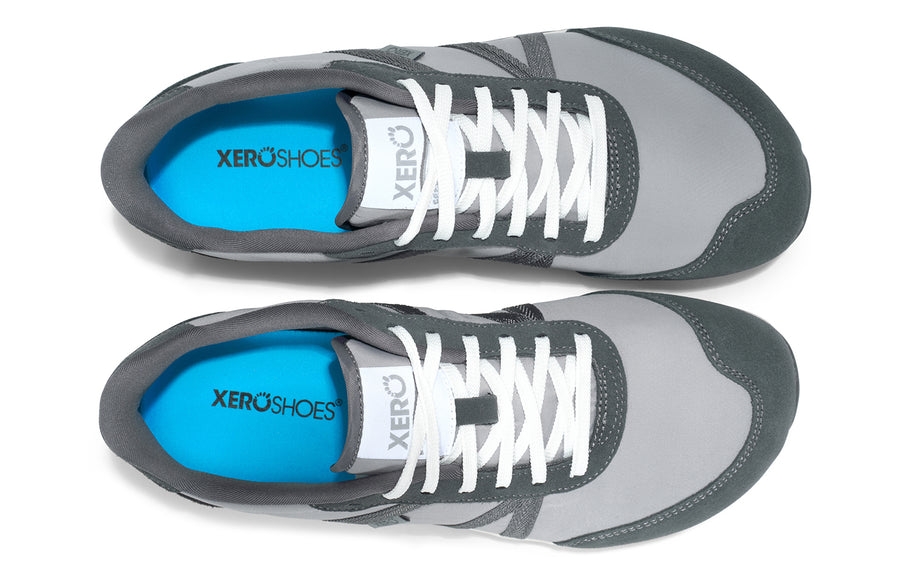
As the running community evolves, so do the tools and techniques athletes utilize to enhance performance and reduce injury. Among these innovations, barefoot shoes have emerged as a compelling option for runners seeking a more natural and efficient running experience. These minimalist shoes aim to provide a closer connection to the ground, allowing for a more intuitive running style that mimics the natural biomechanics of the foot. With a growing body of evidence supporting their use, barefoot shoes have gained traction among professional and amateur runners alike, promoting a shift towards a more organic approach to running.
The appeal of barefoot shoes lies in their design, which typically features a lightweight structure, minimal cushioning, and a flexible sole. This design philosophy encourages the foot to engage more actively, promoting better muscle strength and proprioception. Proponents argue that running in barefoot shoes can lead to improved form, reduced impact on joints, and a decreased risk of common running injuries. However, the transition to barefoot running is not without its challenges, and understanding the nuances of this footwear choice is crucial for runners looking to make the switch effectively.
Moreover, research continues to explore the implications of barefoot running on both performance and injury rates. While many runners swear by the benefits of minimalist footwear, some studies suggest that transitioning too quickly can lead to injuries, particularly in those who have relied on traditional running shoes for years. As such, it’s essential for runners to approach this shift with a comprehensive understanding of their biomechanics and training needs. This article delves into what barefoot shoes for running entail, their advantages and disadvantages, and how to make an informed choice when considering this footwear option.
Understanding Barefoot Shoes: A Closer Look
Barefoot shoes, often referred to as minimalist shoes, are designed to provide minimal protection while allowing the foot to move as naturally as possible. Unlike traditional running shoes, which often have added cushioning and support features, barefoot shoes are constructed to closely mimic the feel of running without shoes. This design encourages a forefoot or midfoot strike, which can enhance running efficiency and reduce the risk of injury associated with heel striking. Studies indicate that this change in foot strike can lead to lower impact forces on the body, thus promoting a healthier running form.
In terms of structure, barefoot shoes typically feature a thin sole, which helps runners feel the ground beneath them. This feedback can enhance proprioception, allowing the body to respond more adeptly to the running surface. Runners often report feeling more connected to their surroundings, which can lead to improved sensory awareness and better overall performance. Additionally, the lightweight nature of these shoes can reduce fatigue during longer runs, making them an appealing choice for endurance athletes.
However, it is essential to note that not all barefoot shoes are created equal. There is a wide array of options on the market, each varying in terms of flexibility, weight, and sole thickness. For example, brands like Xero Shoes offer models that prioritize ground feel and flexibility while still providing some degree of protection. Thus, understanding individual needs and preferences is vital when selecting the right pair of barefoot shoes.
The Science Behind Barefoot Running
Numerous studies have examined the biomechanical effects of barefoot running compared to traditional running shoes. Research indicates that barefoot running encourages a more natural gait and can lead to improvements in running economy. Runners often experience increased muscle activation in the foot and lower leg, which can strengthen these areas over time. This enhanced muscular engagement can play a significant role in injury prevention, as stronger muscles are better equipped to handle the stresses of running.
Moreover, an OSU study on barefoot running highlights the potential risks associated with barefoot running, particularly for inexperienced runners. The study suggests that while transitioning to barefoot shoes can offer benefits, it also poses risks if not approached cautiously. Runners are encouraged to gradually adapt their training routines, allowing their bodies to adjust to the new demands placed upon them by minimalist footwear.
In addition to the physical benefits, many runners report a positive psychological impact when switching to barefoot shoes. The sensation of running without the bulk of traditional shoes can be liberating and may encourage a more mindful running experience. This mental shift can enhance motivation and enjoyment, which are crucial for long-term adherence to a running regimen.
Transitioning to Barefoot Shoes: Best Practices
Transitioning from traditional running shoes to barefoot shoes requires a thoughtful approach to avoid injury and maximize benefits. Runners should take the time to assess their current running form and identify any potential biomechanical issues that could affect their transition. A gradual approach is recommended, starting with short distances in barefoot shoes while maintaining the use of traditional shoes for longer runs. This strategy allows the body to adapt to the new demands without overwhelming the muscles and tendons.
Additionally, incorporating foot strengthening exercises into training can facilitate a smoother transition. Exercises that focus on improving the strength and flexibility of the foot and ankle can enhance the overall experience of running in barefoot shoes. Simple activities such as toe curls, heel raises, and balance exercises can help build a solid foundation for barefoot running.
Another critical aspect of transitioning is to pay attention to any discomfort or pain during runs. If pain persists, it may be necessary to reassess running form or consider consulting with a professional coach or podiatrist who specializes in barefoot running. Understanding the body’s signals is essential for a successful transition and long-term health.
Pros and Cons of Barefoot Running
- Pros:
- Improved proprioception allows runners to better connect with their running surface, enhancing overall performance.
- Stronger foot and lower leg muscles develop as a result of the increased engagement required in barefoot running.
- Can lead to a more natural running form, potentially reducing the risk of common running injuries.
- Lightweight design decreases fatigue during longer runs, promoting endurance and efficiency.
- Cons:
- Risk of injury if the transition is made too quickly, particularly for those unaccustomed to minimalist footwear.
- Not suitable for all runners, especially those with specific biomechanical issues requiring additional support.
- Limited cushioning may not provide adequate protection for some surfaces or conditions.
Weighing the pros and cons of barefoot running reveals a nuanced picture. While the benefits of improved muscle strength and natural form are compelling, it is crucial to acknowledge the potential risks involved. Runners must carefully consider their individual needs and preparedness before making the shift to barefoot shoes. A balanced approach, combining education, gradual adaptation, and professional guidance, can lead to a rewarding running experience.
Frequently Asked Questions
- What are barefoot shoes?
- Barefoot shoes are minimalist footwear designed to provide a natural running experience, closely mimicking the feel of running without shoes. They typically feature a thin sole, minimal cushioning, and a flexible structure that encourages a forefoot or midfoot strike.
- Are barefoot shoes suitable for everyone?
- While many runners can benefit from barefoot shoes, they are not suitable for everyone. Runners with specific biomechanical issues or those who rely on traditional shoes for support may need to approach barefoot shoes with caution.
- How do I transition to barefoot shoes?
- Transitioning to barefoot shoes should be approached gradually. Start with short distances in barefoot shoes while maintaining the use of traditional shoes for longer runs. Incorporating foot-strengthening exercises can also aid in the transition.
- Can barefoot running reduce injuries?
- Barefoot running may reduce the risk of certain injuries by promoting a more natural running form. However, transitioning too quickly can lead to injuries, so it is essential to adapt gradually and pay attention to body signals.
- What are the best brands of barefoot shoes?
- Several brands specialize in barefoot shoes, including Xero Shoes, Vivobarefoot, and Merrell. Each brand offers various models that cater to different running styles and preferences.
Conclusion
In summary, barefoot shoes represent a fascinating evolution in the world of running footwear, offering numerous benefits for those willing to embrace their unique approach. With advantages such as improved proprioception, muscle strength, and a more natural running form, they have garnered attention and enthusiasm within the running community. However, the journey to barefoot running is not without its challenges, and careful consideration must be given to individual biomechanics and training practices. By approaching the transition thoughtfully and gradually, runners can unlock the potential of barefoot shoes while minimizing the risk of injury. Whether a seasoned athlete or a novice, the exploration of barefoot running may offer a path to enhanced performance and enjoyment on the trails and roads alike.

