
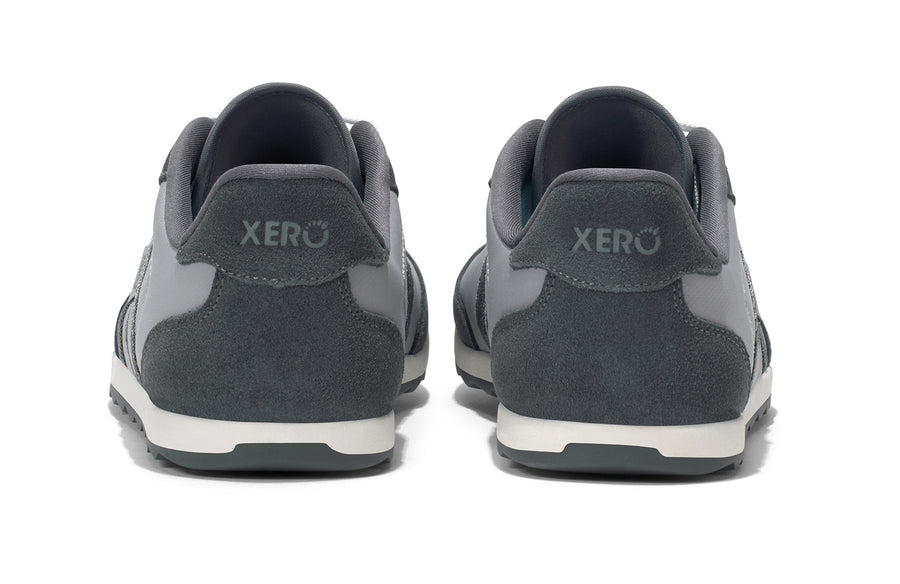
The rising popularity of barefoot shoes has led to a significant shift in how outdoor enthusiasts approach hiking footwear. Traditionally, hikers have relied on heavily cushioned shoes designed to provide support and comfort over varied terrains. However, barefoot shoes, which emphasize minimalism and natural foot movement, are gaining traction, prompting hikers to question their efficacy. This article delves into the merits and drawbacks of using barefoot shoes for hiking, providing insights that can guide seasoned hikers and newcomers alike in making informed decisions about their footwear choices.
As outdoor activities become more intertwined with fitness and health, the choice of hiking shoes is more critical than ever. Barefoot shoes advocate for a return to a natural walking style, purportedly enhancing proprioception and foot strength. This approach contrasts sharply with conventional hiking shoes that often prioritize cushioning and arch support. Understanding the nuances of barefoot shoes is essential for those who wish to explore whether they align with their hiking needs and preferences.
Moreover, various brands and models of barefoot shoes are available, each claiming unique benefits. These shoes often come with a minimalist design, lightweight materials, and flexible soles that allow for a more natural foot movement. However, they also present challenges, particularly for those accustomed to traditional footwear. This article will explore the critical aspects surrounding barefoot shoes, including their benefits, potential downsides, and considerations for hikers at all levels of experience.
Key Takeaways
- Barefoot shoes promote a natural walking style that can enhance foot strength and proprioception, making them appealing for experienced hikers seeking a different experience.
- Transitioning to barefoot shoes requires time and patience, as the feet need to adapt to reduced cushioning and support.
- Not all hiking terrains are suitable for barefoot shoes; understanding the trail conditions is crucial for optimal performance and safety.
- Hikers may experience a learning curve with barefoot shoes, as the minimalist design significantly differs from traditional hiking footwear.
Understanding Barefoot Shoes
Barefoot shoes are designed to mimic the sensation of being barefoot while providing minimal protection from the ground. The philosophy behind these shoes is rooted in the belief that the human foot is naturally adept at navigating diverse terrains. As such, barefoot shoes typically feature a wide toe box, allowing the toes to splay naturally and a thin sole that provides a more direct connection to the ground. This design encourages better balance, stability, and foot strength, which are beneficial attributes for hiking.
Research has shown that barefoot or minimalist footwear can enhance foot muscle strength and improve overall biomechanics. A study published in the *Journal of Sports Science* indicated that transitioning to barefoot shoes can lead to a more natural gait, reducing the risk of certain injuries associated with over-cushioned footwear. These findings resonate with many hikers who are looking to enhance their performance and overall hiking experience through improved foot health.
However, the transition to barefoot shoes is not without its challenges. Hikers accustomed to traditional footwear may find themselves struggling with the reduced cushioning and support. This adjustment period can lead to discomfort or even injuries if not approached carefully. It is crucial for individuals considering barefoot shoes to understand their foot type, hiking style, and any pre-existing conditions that may affect their ability to adapt to such footwear.
Benefits of Barefoot Shoes for Hiking
One of the most notable advantages of barefoot shoes is the enhanced ground feedback they provide. This heightened sense of connection to the terrain can significantly improve a hiker’s balance and agility. For instance, navigating rocky or uneven trails becomes easier when the feet can react naturally to surface variations. Many experienced hikers appreciate this increased feedback, which aids in making quick decisions on challenging terrains.
Additionally, barefoot shoes can promote better posture and alignment. The minimalist design encourages a midfoot or forefoot strike while walking, which can reduce the impact forces that traditionally lead to injuries. According to a report from the *American Council on Exercise*, this change in gait can result in lower stress on the knees and hips, making hiking a more enjoyable activity over extended periods.
Moreover, barefoot shoes are typically lighter than traditional hiking boots, which can significantly reduce fatigue on long hikes. This weight reduction allows hikers to cover more ground without the burden of heavy footwear. For example, many backpackers have reported feeling less fatigued and more energetic when opting for lightweight barefoot shoes over their traditional counterparts.
Limitations of Barefoot Shoes for Hiking
Despite their numerous benefits, barefoot shoes come with inherent limitations that must be considered. One of the primary concerns is the lack of protection against sharp rocks, roots, and other trail hazards. While the minimalist design allows for agility and flexibility, it may not provide adequate protection for the feet in rugged environments. Hikers traversing particularly challenging or rocky trails may find themselves at increased risk of injury without the robust protection offered by traditional hiking boots.
Additionally, barefoot shoes may not be suitable for all foot types. Those with flat feet or specific biomechanical issues may struggle with the lack of arch support and cushioning. This lack of support can lead to discomfort or exacerbate existing issues, highlighting the importance of assessing individual foot anatomy before making a purchase. A consultation with a podiatrist or foot specialist may provide valuable insights for those unsure of their suitability for barefoot footwear.
Furthermore, the transition period when switching to barefoot shoes can be lengthy and requires commitment. Many experts recommend a gradual adaptation process, starting with short hikes and progressively increasing distance and difficulty. This approach helps to condition the feet and lower legs, minimizing the risk of injury during the adjustment phase. Hikers should be prepared for this learning curve, as it may take weeks or even months before they feel comfortable and confident in barefoot shoes.
Terrain Considerations for Barefoot Hiking
The effectiveness of barefoot shoes is heavily influenced by the type of terrain being hiked. While these shoes are well-suited for smooth, well-maintained trails, they may fall short in more challenging environments. For example, rocky paths, steep inclines, or muddy surfaces may require more grip and protection than barefoot shoes can provide. Hikers should carefully evaluate trail conditions and their personal hiking preferences when deciding whether to use barefoot footwear.
Moreover, wet or slippery conditions can pose a significant challenge for barefoot shoes. The minimalist sole may lack the traction needed to prevent slips and falls on wet rocks or muddy trails, which can be dangerous. Hikers venturing into such conditions may need to prioritize safety over the benefits of barefoot shoes, opting for more traditional footwear to ensure they remain secure and stable.
On the other hand, hiking on soft, natural surfaces such as grass or dirt trails can be an ideal scenario for barefoot shoes. These conditions allow the shoes to shine, providing the benefits of ground feedback and natural foot movement without compromising safety. Hikers who frequently explore such environments may find barefoot shoes to be an excellent addition to their gear, enhancing their overall experience.
Pros and Cons
- Pros:
- Enhanced proprioception allows for better balance and agility, which is especially beneficial on uneven trails.
- Encourages a more natural gait, potentially reducing the risk of injuries associated with traditional footwear.
- Lightweight design reduces fatigue, enabling hikers to cover longer distances with less effort.
- Improves foot strength and flexibility over time, leading to healthier feet and lower legs.
- Cons:
- Lack of protection against sharp objects or rugged terrains can increase the risk of foot injuries.
- Not suitable for all foot types, particularly those requiring extra arch support.
- Transitioning to barefoot shoes requires a commitment to gradual adaptation, which can be time-consuming.
In weighing the pros and cons of barefoot shoes for hiking, it becomes clear that they offer significant benefits for experienced hikers willing to adapt. However, the limitations are equally important to consider, particularly for those new to hiking or with specific foot conditions. Ultimately, the decision to use barefoot shoes should be based on individual preferences, hiking styles, and the types of trails being explored.
Frequently Asked Questions
- Are barefoot shoes suitable for all hiking terrains?
- While barefoot shoes excel on smooth, well-maintained trails, they may not provide enough protection or grip on rugged or slippery surfaces. Hikers should assess trail conditions before choosing barefoot footwear.
- How long does it take to transition to barefoot shoes?
- The transition period varies among individuals, but it generally requires several weeks to months of gradual adaptation. Starting with short hikes and progressively increasing distance is recommended.
- Can barefoot shoes help prevent injuries?
- Barefoot shoes can promote a more natural gait and foot strength, potentially reducing certain injury risks. However, they may not be suitable for everyone, particularly those with specific foot issues.
- What should I look for in a pair of barefoot shoes?
- When selecting barefoot shoes, consider factors such as fit, flexibility, sole thickness, and the width of the toe box. Ensure they match your foot type and hiking style for optimal performance.
- Are barefoot shoes comfortable for long hikes?
- Comfort varies by individual and depends on foot type and terrain. Many hikers find barefoot shoes comfortable for long hikes once they have adapted, but it is essential to listen to your body during the transition.
Conclusion
In summary, barefoot shoes present an intriguing option for hikers looking to enhance their experience by embracing a more natural approach to footwear. The advantages of improved proprioception, foot strength, and reduced weight are compelling, particularly for seasoned hikers familiar with their foot anatomy and hiking habits. However, the limitations of these shoes, such as reduced protection and the need for careful adaptation, must not be overlooked. By carefully assessing personal needs and trail conditions, hikers can make informed choices about whether barefoot shoes will serve them well in their outdoor adventures. Ultimately, the decision lies in balancing the benefits against the potential drawbacks, ensuring a safe and enjoyable hiking experience.
Contact Us
For more information, please contact us:
Xero Shoes Store and Fulfillment Center
11777 E 55th Ave #101, Denver, CO 80239
https://xeroshoes.com/
GMB: https://maps.app.goo.gl/pK9Zm7pmt2S38ttTA

