
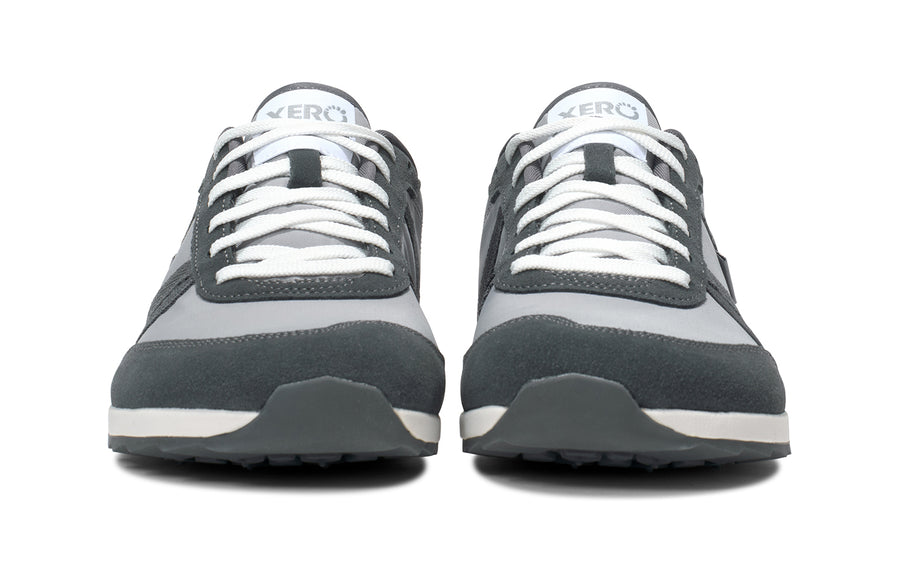
When it comes to footwear, the choice between barefoot shoes and traditional shoes has sparked a heated debate among enthusiasts and casual wearers alike. Both types of shoes offer unique benefits and drawbacks, making it essential to understand what sets them apart. This article dives into the world of barefoot shoes vs traditional shoes, exploring their characteristics, advantages, and when each type might be the best choice for you.
Understanding Barefoot Shoes
Barefoot shoes are designed to mimic the feeling of being barefoot while providing minimal protection. They typically feature a thin, flexible sole and a wide toe box, allowing for natural foot movement. These shoes aim to promote a more natural running and walking style, which many believe can enhance foot strength and overall body alignment.
In contrast to traditional shoes, which often have built-up cushioning and arch support, barefoot shoes allow wearers to feel more connected to the ground. This connection can lead to a better proprioception, or awareness of body position, which is crucial for movement efficiency.
However, transitioning to barefoot shoes requires a period of adjustment. Many users report initial discomfort as their feet adapt to the new style, making it essential to ease into wearing them. If you’re interested in learning more about the benefits of minimalist footwear, check out this website.
The Characteristics of Traditional Shoes
Traditional shoes, on the other hand, offer more cushioning and structure. They are designed to provide support, especially for individuals with specific foot conditions or those who require additional stability. The arch support and cushioning can be particularly beneficial during high-impact activities, such as running or sports.
Many people gravitate towards traditional shoes because they offer a sense of security and comfort right from the start. However, some argue that this comfort can lead to dependency on the shoe’s support features, potentially weakening foot muscles over time.
Additionally, traditional shoes can restrict natural foot movement. This limitation may contribute to issues such as overpronation or supination, which can lead to injuries if not addressed properly. In contrast, barefoot shoes encourage a more natural gait, promoting foot health and strength in the long run.
Pros and Cons
When comparing barefoot shoes vs traditional shoes, it’s important to weigh the pros and cons of each. Below is a brief overview:
- Pros of Barefoot Shoes: Improved foot strength, better proprioception, and a natural gait.
- Cons of Barefoot Shoes: Initial discomfort, requires adjustment period, not ideal for all foot types.
- Pros of Traditional Shoes: Enhanced cushioning, suitable for various foot types, immediate comfort.
- Cons of Traditional Shoes: Potential dependency on support, can restrict natural movement.
When to Wear Barefoot Shoes
Barefoot shoes are often recommended for activities that benefit from ground feel, such as trail running, hiking, and casual walking. They are particularly advantageous for those looking to strengthen their feet and improve their running form. However, it’s crucial to consider the terrain; rocky or uneven surfaces can pose a challenge without proper protection.
Additionally, barefoot shoes can be excellent for gym workouts that involve a lot of lateral movements or balance exercises. They help enhance stability and allow your feet to engage more fully. If you’re transitioning from traditional footwear, it’s advisable to gradually increase wear time and incorporate barefoot training into your routine.
Frequently Asked Questions
- Q1: Are barefoot shoes suitable for everyone?
Barefoot shoes may not be suitable for everyone, particularly those with existing foot problems or conditions that require arch support. It’s essential to consult with a healthcare professional before making the switch, especially if you have concerns about foot health.
Additionally, individuals who are used to traditional shoes may need a gradual transition period to avoid injury. Starting with short durations and slowly increasing wear time can help minimize discomfort.
- Q2: Can barefoot shoes be worn for trail running?
Yes, barefoot shoes can be worn for trail running, but caution is advised. They provide excellent ground feel and allow for a more natural running style, which can be beneficial on trails. However, the lack of cushioning may be a concern on particularly rocky or uneven terrain.
When trail running, it’s important to choose barefoot shoes that have a durable sole and adequate grip. This ensures safety and prevents slips or falls while navigating challenging trails.
- Q3: What are the best brands for barefoot shoes?
There are several reputable brands that specialize in barefoot shoes, each offering various styles and features. Some of the best brands include Vibram FiveFingers, Merrell, and Xero Shoes. These brands are known for their quality and commitment to promoting natural movement.
When selecting a brand, consider your specific needs and preferences, such as fit, style, and intended use. Trying on different models can help you find the perfect pair that meets your foot’s unique requirements.
Conclusion
In the battle of barefoot shoes vs traditional shoes, the best choice ultimately depends on personal preference and lifestyle needs. Barefoot shoes offer a more natural approach to movement, promoting foot health and strength, while traditional shoes provide cushioning and support that many find comforting. Understanding the advantages and disadvantages of each type can help you make an informed decision that aligns with your activities and foot health goals. Whether you choose to embrace the minimalist approach or stick with the tried-and-true support of traditional footwear, the key is to find what feels best for you.
Contact Us
For more information about our services, please contact us:
Bedrijf: Xero Shoes Store and Fulfillment Center
Adres: 11777 E 55th Ave #101, Denver, CO 80239
Website: https://xeroshoes.com/
